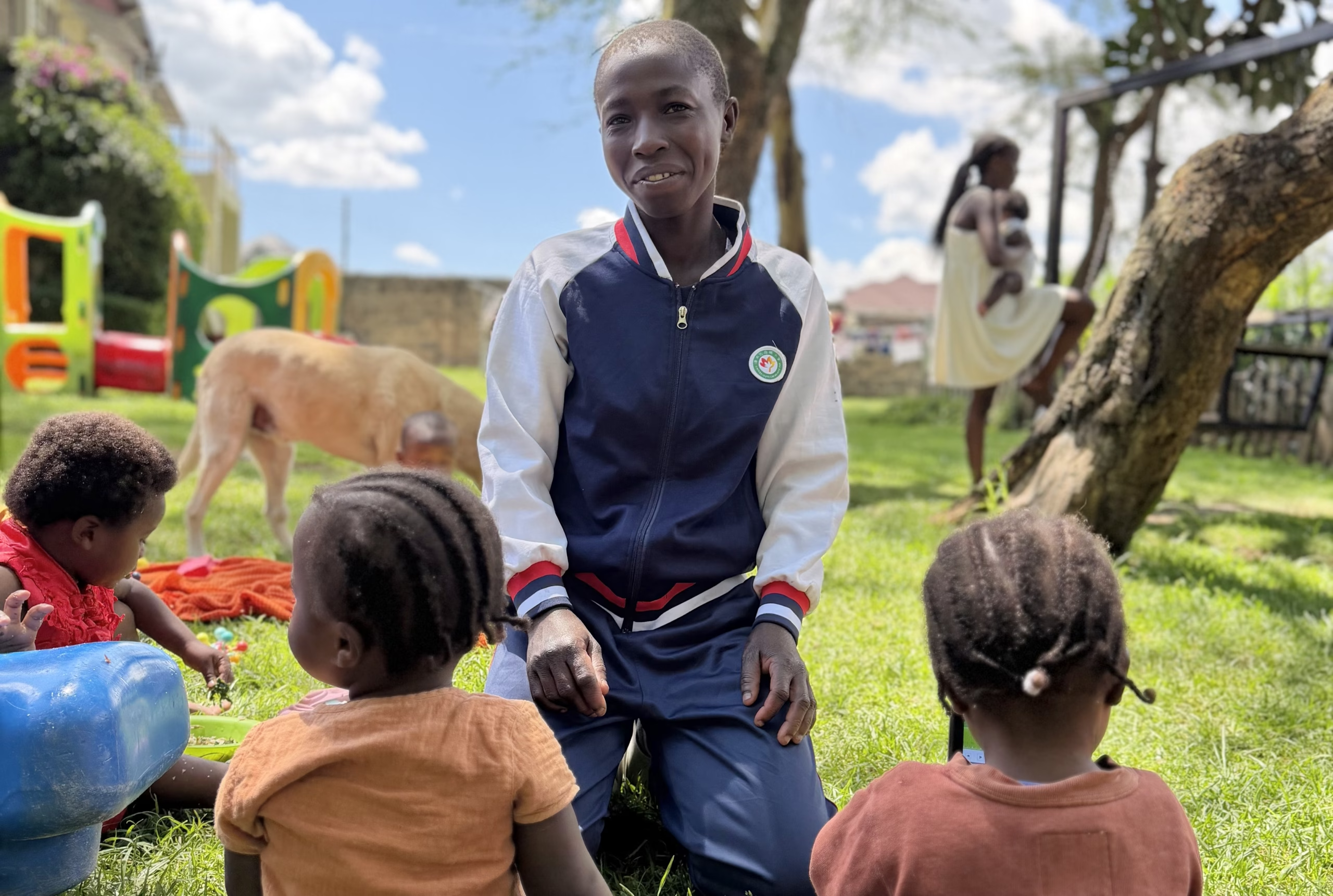

I thought I had the happiest, easiest baby ever.
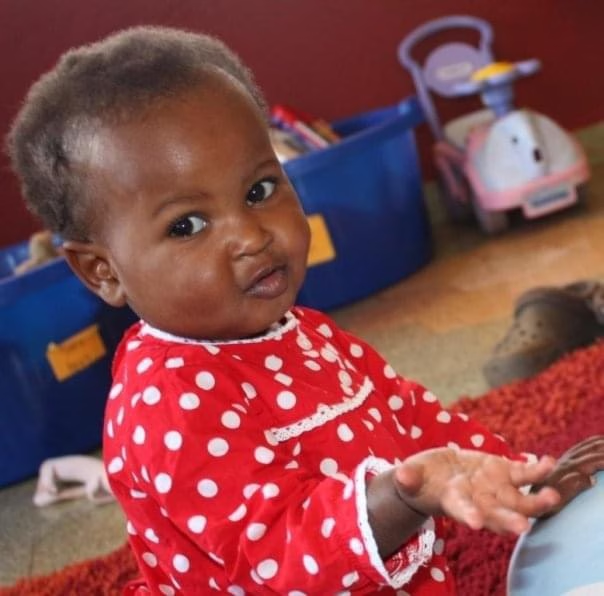
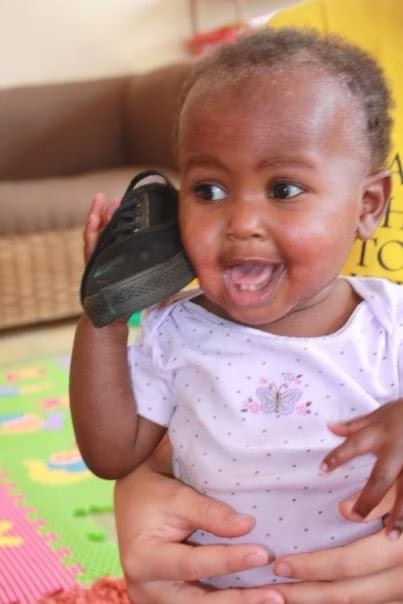
When Julia came to us, she was almost a year old, though we were told she was only six months old. She was wearing 3–6 month clothing and was significantly smaller than she should have been. Yet from the very beginning, she seemed content. No, not even just content. She seemed happy, relaxed and so well adjusted.
She never cried. She laughed easily, played happily, and seemed full of joy. She was easy. Resilient. Unaffected.


That’s why it was so surprising when she finally did cry.
Not just a little fussing, but deep, inconsolable crying that seemed to come from nowhere. It happened after months and years of consistent care, feeding, affection, and stability. It happened after she knew she was loved.
At the time, I didn’t understand what was happening. Now I do.
One of the most surprising things caregivers learn is that sometimes children become more emotional after they feel safe. If a child is finally safe, shouldn’t everything get better?
Not always.
In fact, increased crying, big emotions, and what appears to be “regression” can actually be signs that a child is beginning to feel secure.
When children are living in crisis, their energy is often focused on survival. Their brains and bodies remain on high alert, constantly working to adapt to uncertainty, fear, or unmet needs. There is little room for processing what has happened.
But safety changes things.
When a child begins to trust that the adults around them will consistently meet their needs, their nervous system starts to relax. And when that survival mode begins to ease, emotions that have been held inside often come to the surface.
We see this regularly. Some of our older babies have such a shift of temperament and personality after a few months in our home. But the tears we see are not necessarily a sign that something is wrong.
Sometimes they are evidence that healing has finally begun.
And then, our babies’ families often see the same pattern. Our foster, adoptive, and kinship families are often surprised to receive what feels like the “hard version” of a child. The child who was so happy, playful and well adjusted when they visited them in HCO may suddenly become demanding, emotional, fearful, or inconsolable after joining a family.
It can feel discouraging.
In reality, it may be one of the greatest compliments a child can give a caregiver:
“I feel safe enough to let you see what I have been carrying.”
Children don’t always fall apart because they feel unsafe.
Sometimes they fall apart because they feel safe enough to do so.